Portfolio/Aurascope

AI camera app · Product designer + iOS engineer · Co-founder

Aurascope: snap, score, share, compare

Aurascope is an AI camera for self-expression, social, and play. Point it at people, places, pets, or things and get an aura title, score, and place in your Orbit. I owned product design end to end and built the iOS app in SwiftUI on top of OpenAI, with co-founder Saba on product, business, marketing, and outreach.

10K+ users · 150+ five-star reviews · #3 Product of the Day

iPhone-first · SwiftUI + OpenAI · March 2025 to July 2025 · Favs HQ

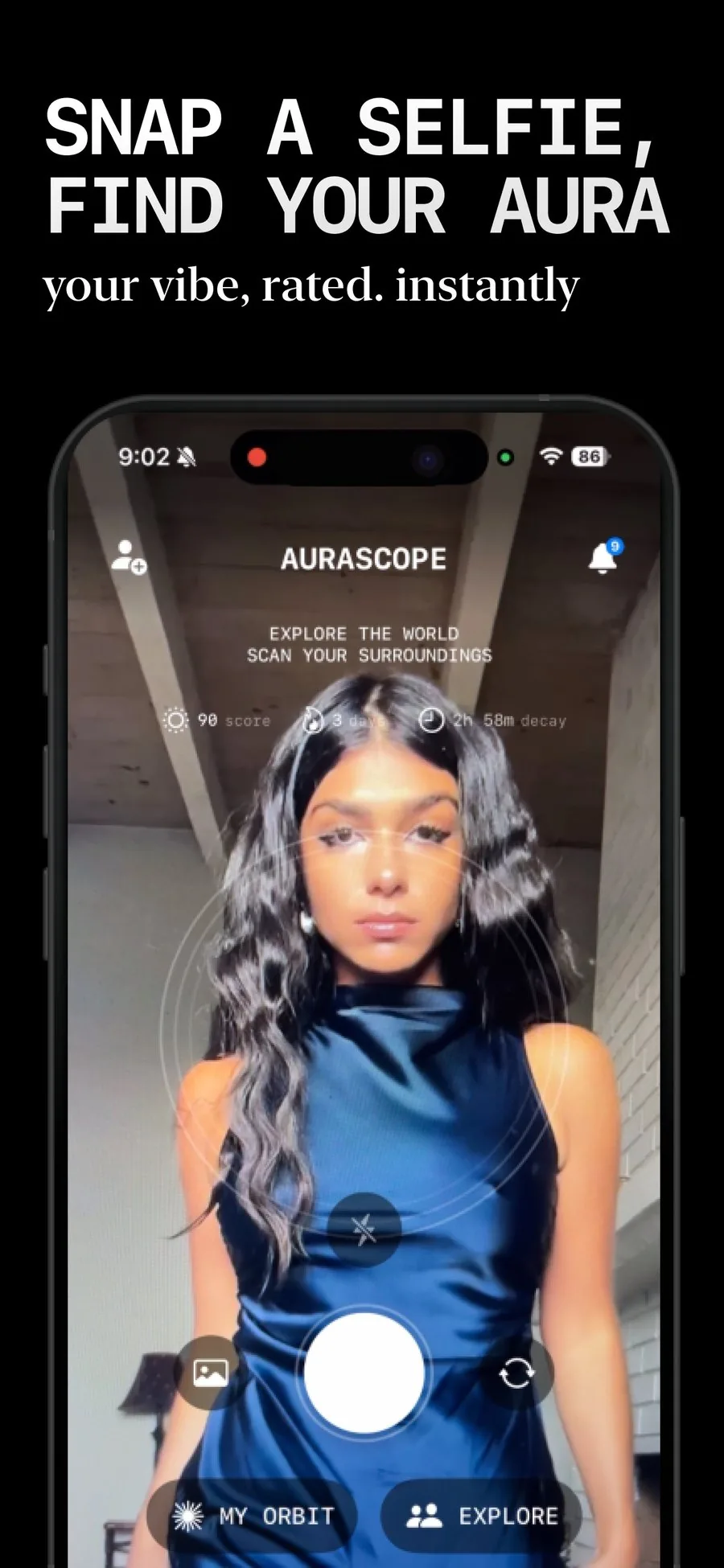
Aurascope App Store camera screen
Live capture, App Store

10K+

Users

150+

Five-star reviews

#3

Product of the Day on Product Hunt

500+

Signals behind each aura score

Context

We were two founders shipping to Gen Z. Photos people already take rarely mean anything later. The bet was a camera that turns a snap into a readable vibe check in seconds, with almost no onboarding, then grows into a collection and a social layer when people ask for it.

My role: all product design, interaction, motion, and the SwiftUI implementation. Saba owned product and business framing, marketing, and user and influencer outreach. We used Mixpanel to see how people moved through capture, collection, and later social. Android came only near the end. iPhone stayed the primary surface.

Flows
Camera-first home with shutter and library
Camera-first home

Capture

Open to camera, value in seconds

Problem

Most camera and social apps bury the first useful moment behind accounts, tutorials, and paywalls. We needed people scanning before they decided whether to care.

Solution

V1 was live camera only. Land on the viewfinder, shutter in the center, scan people, pets, places, food, or objects. No long onboarding. The AI reads 500+ visual and contextual signals and returns a result in the same session.

Result

A camera-first loop that felt native on iPhone and was fast enough to demo on Product Hunt, where Aurascope landed as #3 Product of the Day.
AI output

Make the inference readable

Problem

An opaque score is easy to ignore. People needed to trust and enjoy what the model returned without slowing the shot.

Solution

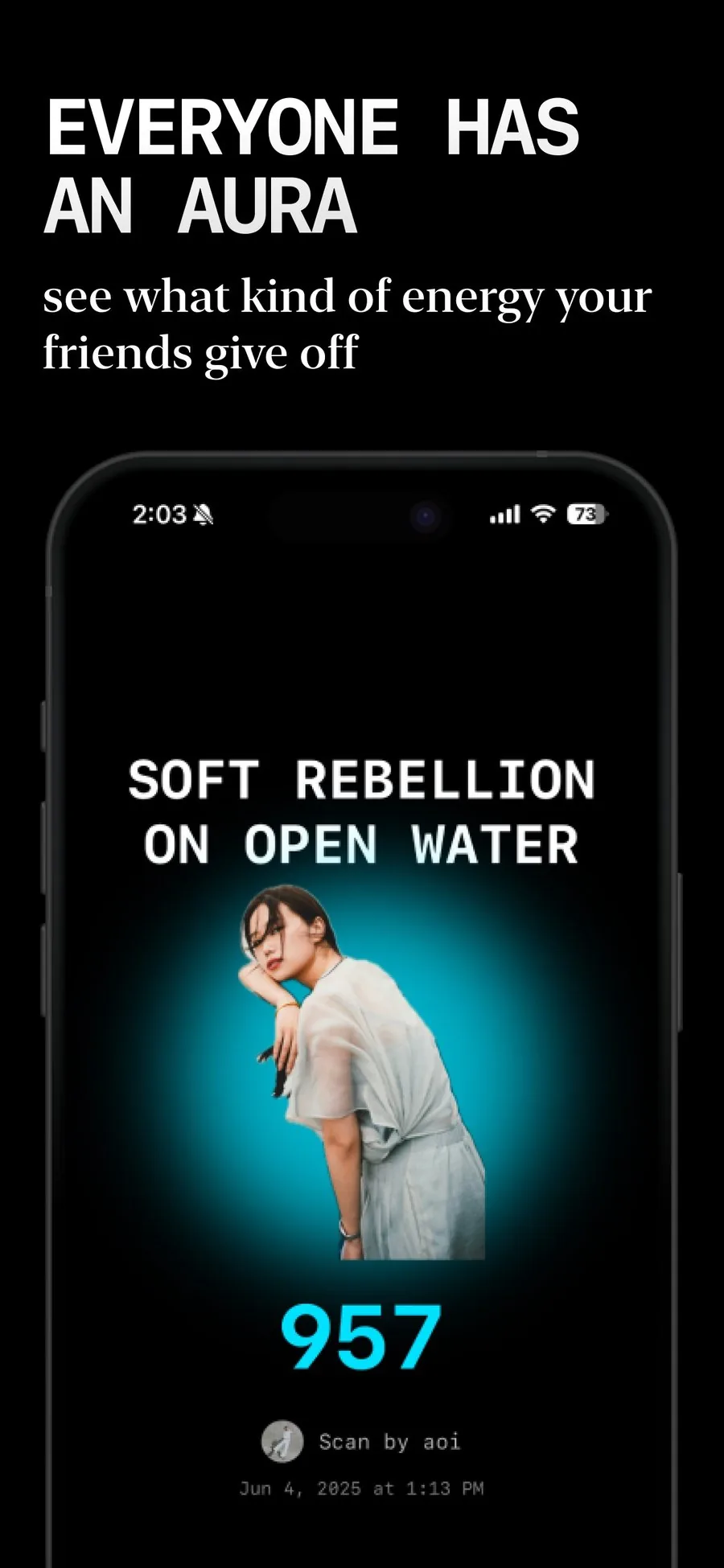
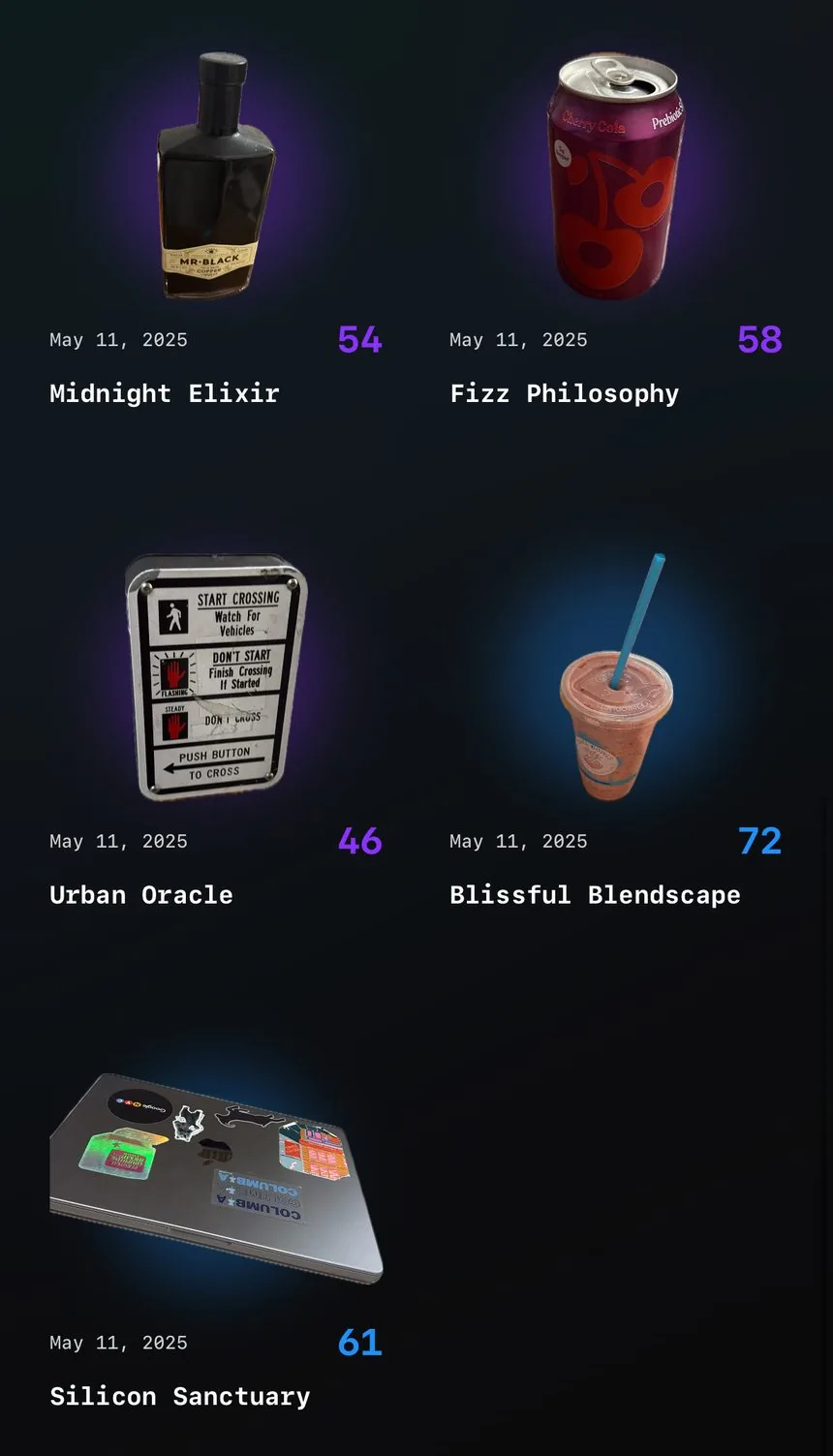
Every scan surfaces an aura title, a score, a visual aura treatment, and a place in the catalog. Uncertainty and latency were treated as design states in the capture loop, not as afterthoughts in engineering.

Result

Reviews and App Store feedback repeatedly called out the witty titles and the feel of the design. The product earned 150+ five-star reviews while staying playful rather than clinical.

Aura result with title and score
Aura title, score, and visual
Catalog of scanned objects with titles and scores
Result catalog from real scans

Photo library

Listen, then open the camera roll

Problem

Live capture alone left out the photos people already cared about. Early feedback ranked what was missing, and photo library analysis rose to the top.

Solution

We added upload from the photo library next to the shutter. Same analysis path as a live snap: title, score, catalog entry. That shipped in the 1.2 release, shortly after launch.

Result

For many users, library scans became the path they returned to more than live capture. Reviews described sitting with favorite photos and giving them new meaning. The lesson for me: the first capture mode is a hypothesis, not the product.

Collection

Orbit as the personal catalog

Problem

A single score fades. Without a place for scans to live, there is little reason to come back tomorrow.

Solution

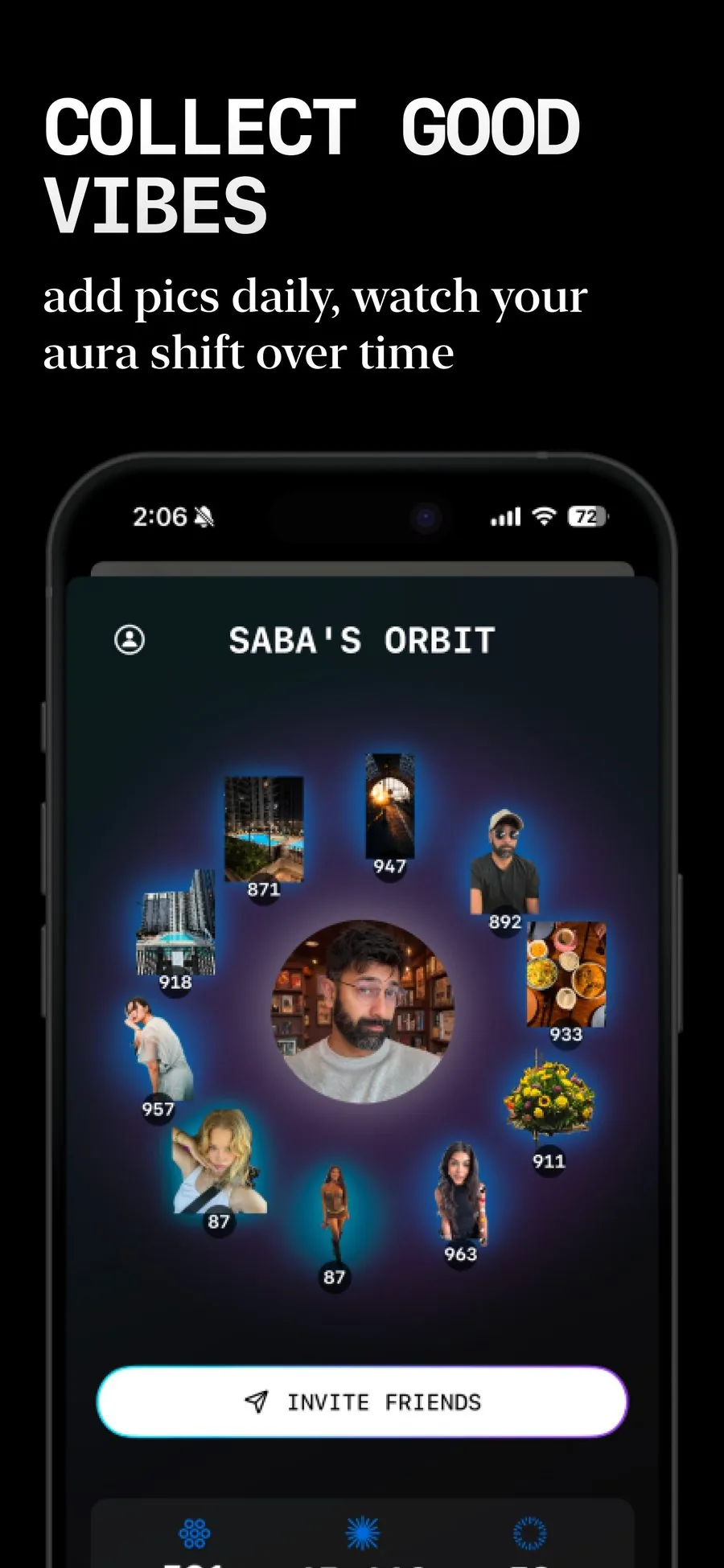
Orbit is the personal collection: a spinning ring of scans around the profile, with scores visible on each piece. Invite and share sit on the same surface so a private collection can become social without a separate product.

Result

Orbit became a signature of the product. App Store responses and Product Hunt comments called it out as a favorite, and it gave us a clear object to grow into friends and public profiles later.

Orbit collection of aura scans
Orbit collection

Social

Friends, profiles, and rank

Problem

Single-player scanning was fun, then plateaued. People asked to compare scores, see friends, and browse a wider feed.

Solution

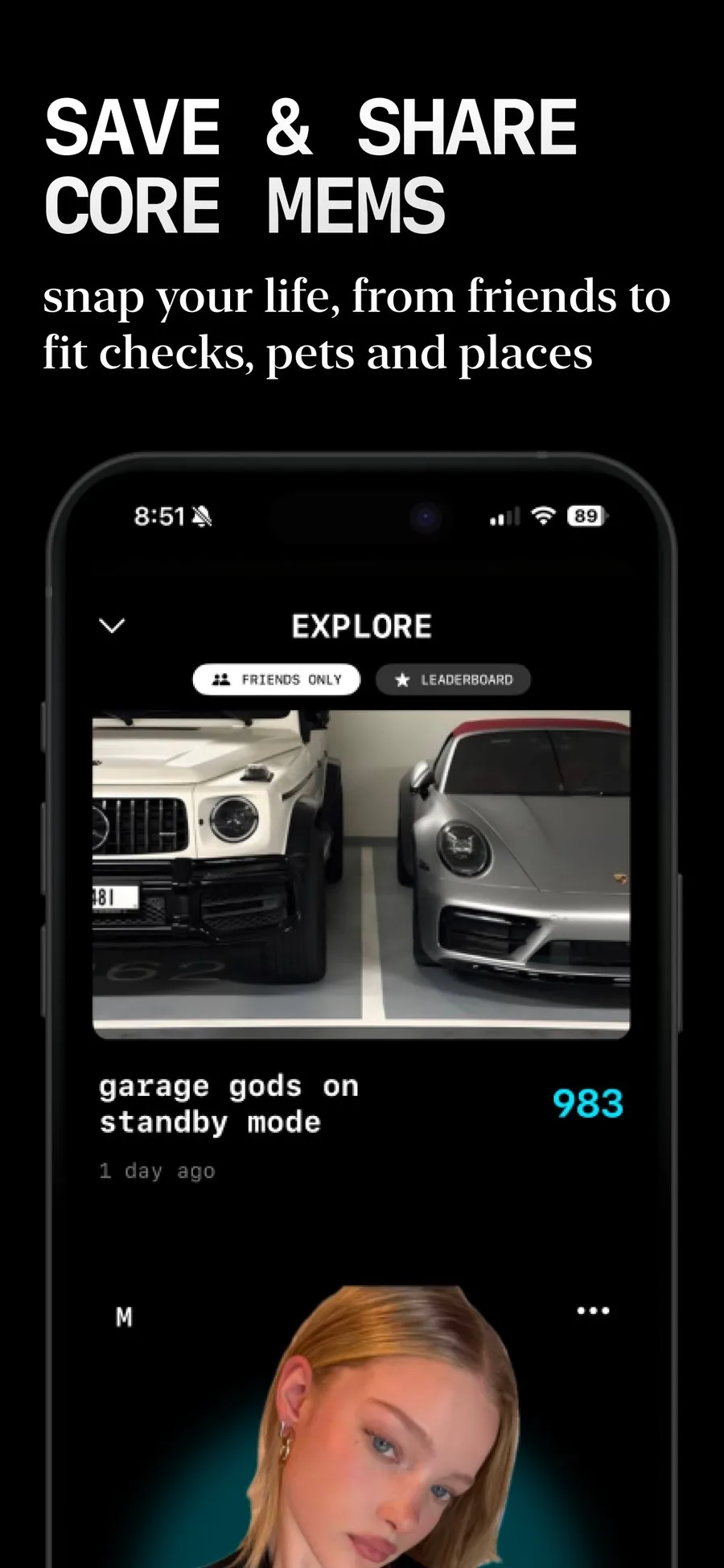
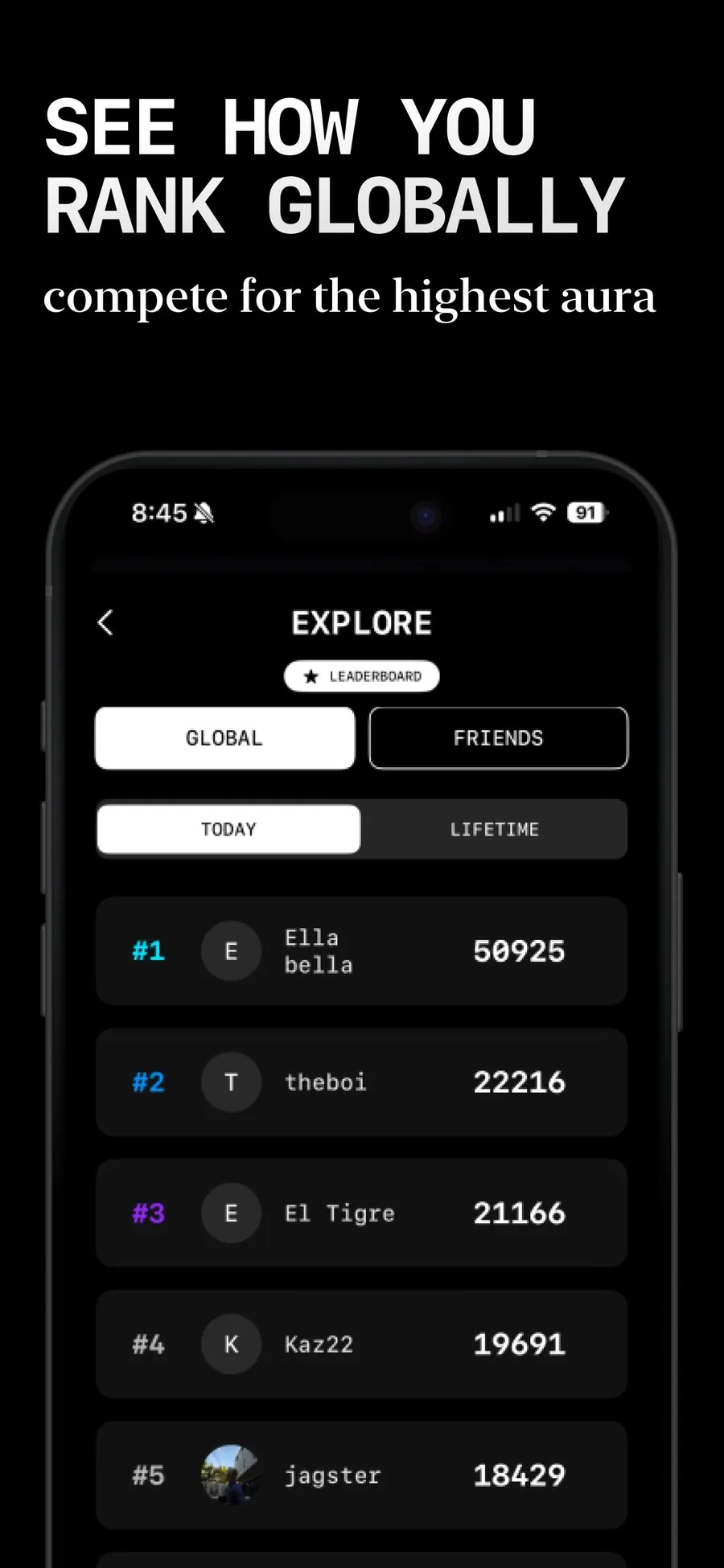
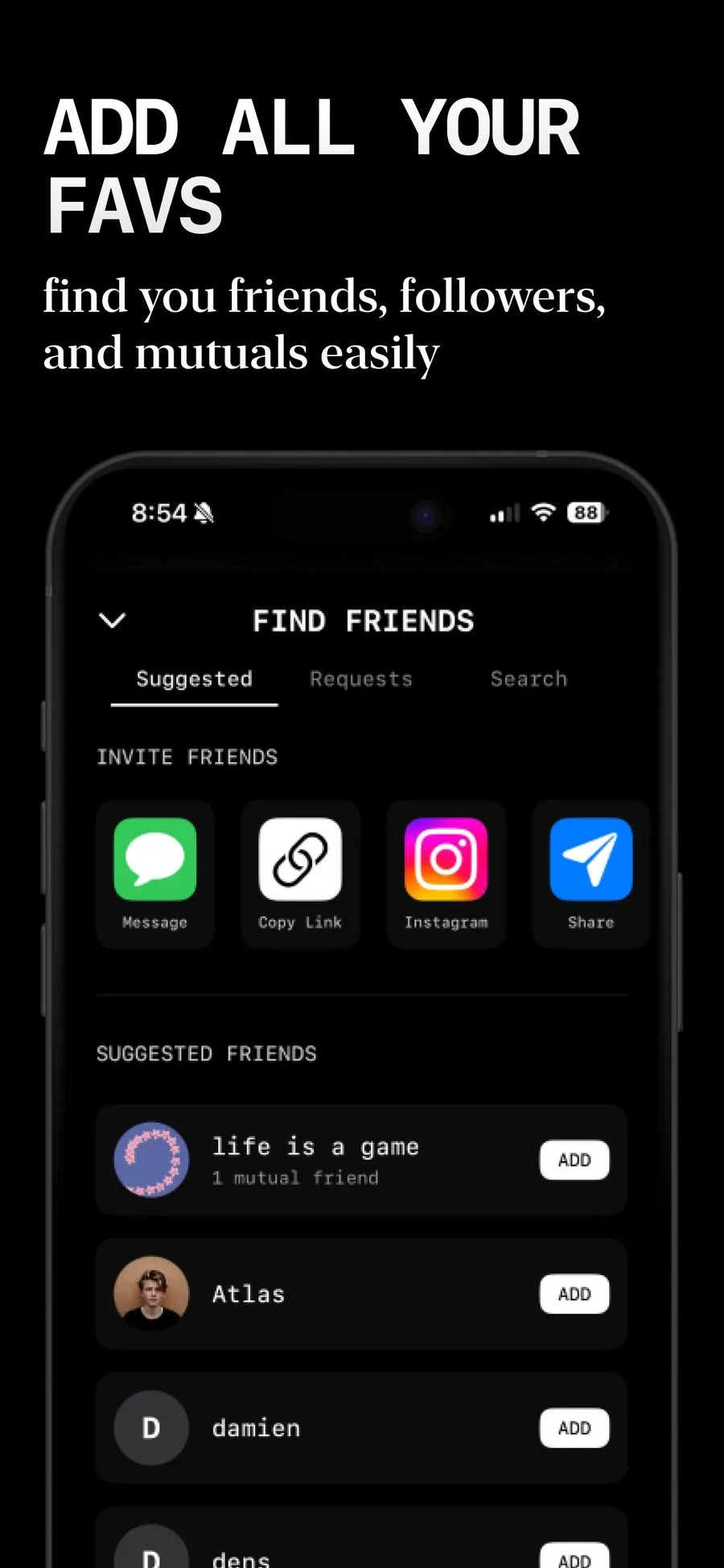
We layered friends, public profiles, Explore, and daily and lifetime leaderboards on top of the same Orbit model. Contact sync and invites reduced the empty-state problem. Privacy defaults stayed explicit as profiles went public.

Result

The product shifted from a solo vibe check into a lightweight social camera game without abandoning the original capture loop. That sequence, capture first, then social, is the process story I would walk a camera team through.

Explore feed of shared aura scans
Explore feed
Global aura leaderboard
Leaderboards
Find friends and invite flow
Find friends
Invite and find friends screen
Invites and mutuals

Learning

What I would change now

Problem

We launched on Sign in with Apple only. About a month later we needed phone sign-in to reach people by text. Linking accounts and supporting two entry points became a heavy lift across design, code, and testing.

Solution

Map retention and messaging needs before locking auth. Treat sign-up as product, not plumbing. Keep the capture value instant, but design the account path for the channels you will actually use.

Result

A clearer rule for my next camera or AI product: invest earlier in the account and re-engagement path, and let early ranked feedback, like the photo library request, move the roadmap before polish work piles up.

Want the full story?

Happy to walk through capture, the library pivot, and the social layer live.

Let's talk